


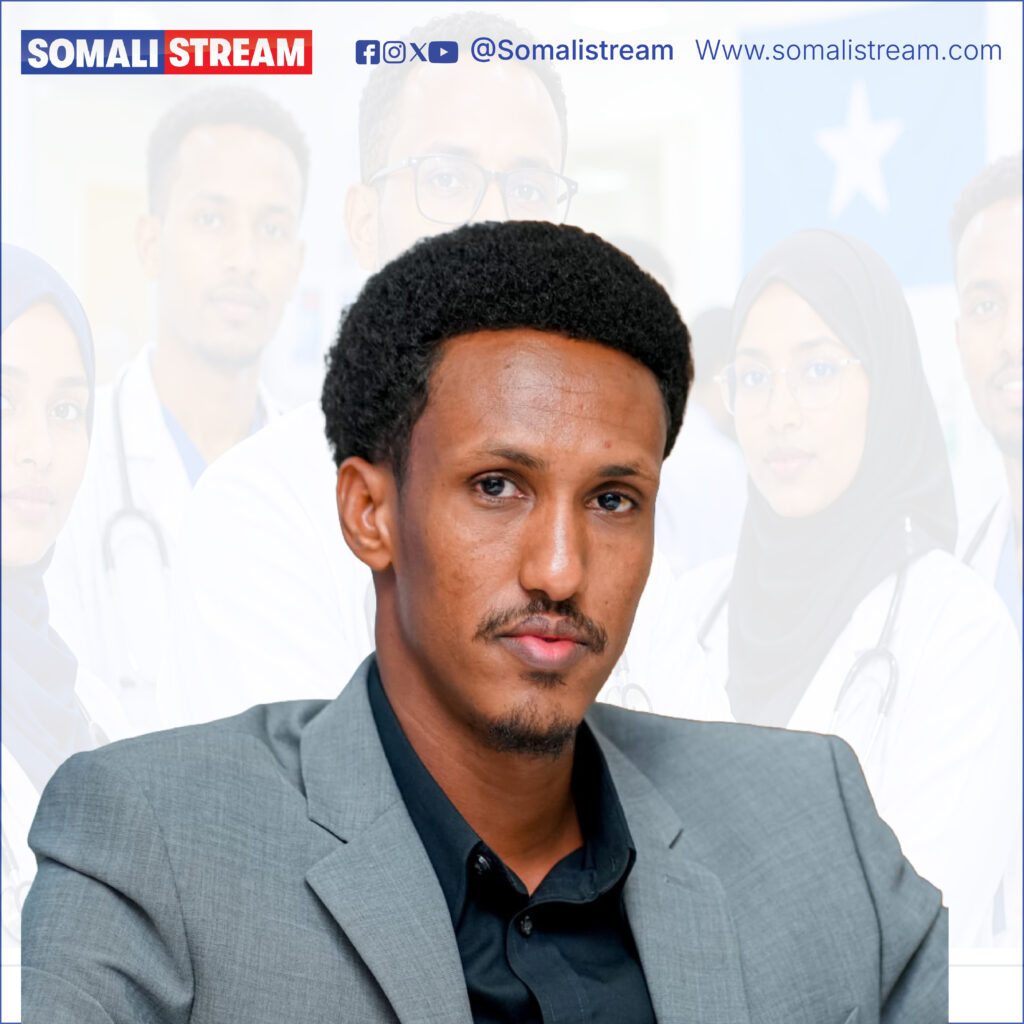
Understanding the National Gap in Medical Residency Training and Its Impact on Healthcare Development
How can Somalia continue producing hundreds of medical doctors every year without establishing sufficient medical residency programmes to develop them into specialists?
Medical Residency Training: A Global and African Perspective
Medical residency is a structured, supervised and specialty-specific training pathway that enables medical graduates to develop the clinical knowledge, practical skills and professional competencies required to become specialists. It is generally delivered through accredited teaching hospitals and universities, following defined curricula, admission criteria, training periods and assessment standards.
Across the world, medical residency programmes play a fundamental role in developing a skilled specialist workforce. Several African countries have also made progress in establishing residency systems through collaboration between governments, universities, teaching hospitals and professional medical colleges.
These systems demonstrate that investing in specialist training is not simply an academic responsibility; it is an essential component of national health workforce development.
The Situation in Somalia: A Growing National Gap
Somalia has made considerable progress in expanding undergraduate medical education. Universities across the country continue to produce substantial numbers of medical graduates. However, the development of medical residency programmes has not kept pace with the growing number of doctors entering the profession.
An important achievement was the establishment of the Federal Ministry of Health Somalia’s national medical internship programme in 2025. This initiative represents a positive step towards providing medical graduates across the country with supervised clinical practice and a more structured transition into professional medical practice.
Nevertheless, a significant gap remains between completing internship and accessing medical residency training. Opportunities for specialization remain limited, and many regions across the country lack established residency programmes. Although some universities in the capital offer specialty training in selected fields, the available positions and range of specialties remain insufficient to meet national demand.
RTE Hospital, formerly known as Digfeer Hospital, provides an important case scenario of the existing residency training opportunities. However, its limited number of available positions cannot accommodate the growing number of medical graduates seeking specialization.
Perhaps, Somalia’s ongoing progress in bringing public hospitals under government administration and reopening the Somali National University presents a valuable opportunity to strengthen medical residency training, with public hospitals serving as clinical training centres and the University providing academic oversight and certification, in collaboration with relevant accreditation bodies. Matters relating to hospital quality, infrastructure and clinical capacity could be explored further.
As a result, many doctors have limited options. A small number secure competitive scholarships abroad, while others finance their own residency training in foreign universities and teaching hospitals. This places a considerable financial burden on individuals and means that resources which could contribute to building local training capacity are spent outside the country.
The lack of accessible residency opportunities may also discourage some medical graduates from continuing in clinical practice, lead others to pursue different careers, or contribute to the migration of doctors. Ultimately, this affects the development and sustainability of Somalia’s healthcare workforce.
What Are the Possible Solutions?
Addressing this challenge requires a coordinated national approach. Several practical steps could help establish a sustainable medical residency system:
- Develop a National Medical Residency Strategic Plan: Establish national standards for programme accreditation, priority specialties, admission criteria, training duration, supervision and assessment.
- Expand Accredited Training Centres: Identify and develop suitable public and private teaching hospitals across the country to serve as clinical residency training centres.
- Strengthen University-Hospital Collaboration: Establish clear partnerships between universities and teaching hospitals to coordinate academic curricula, clinical supervision and specialist training.
- Invest in Medical Educators and Specialists: Engage qualified Somali specialists, including those working abroad, to support local residency programmes through teaching, mentorship and clinical supervision.
- Establish International Partnerships: Collaborate with regional and international universities, teaching hospitals and professional colleges to facilitate faculty development, specialist exchanges and institutional support.
- Introduce a National Residency Admission and Scholarship Programme: Develop a transparent, merit-based national selection process and mobilize sustainable funding to support eligible medical graduates.
A Call to Action: The Federal Ministry of Health Must Lead
The Federal Ministry of Health Somalia has a central role in addressing the national shortage of medical residency opportunities. Establishing a sustainable system requires national leadership, coordination, investment and clear institutional responsibilities.
The Ministry should prioritize the development of a national medical residency framework and conduct a nationwide assessment of medical graduates, existing training institutions, available residency positions and priority specialist workforce needs.
This should be followed by a time-bound implementation plan with defined responsibilities, funding mechanisms, targets and measurable milestones. Coordination among universities, teaching hospitals, professional medical associations, regional health authorities and international partners will be essential.
Most importantly, Somalia needs a transparent and accessible pathway connecting medical graduation, internship, residency training and specialist qualification. This would allow medical graduates to plan their professional development while enabling the country to retain and develop its own specialist workforce.
Conclusion: Building Specialists Is Building the Future of Somalia’s Healthcare System
Somalia has made progress in medical education and internship opportunities, but the next essential step is to establish a sustainable national medical residency system.
The question is no longer simply how many doctors Somalia can graduate each year, but how many of those doctors the country can provide with a clear and accessible pathway to becoming specialists.
Producing doctors is an achievement. Providing internship opportunities is progress. Developing specialists is a national investment.
The time to build a sustainable national medical residency system is now.
Dr Yusuf Abdisalan Mursal
MBBS, MBA in Healthcare Management.
Medical Emergency Officer, Department of Health Emergencies, FMOH Somalia
