


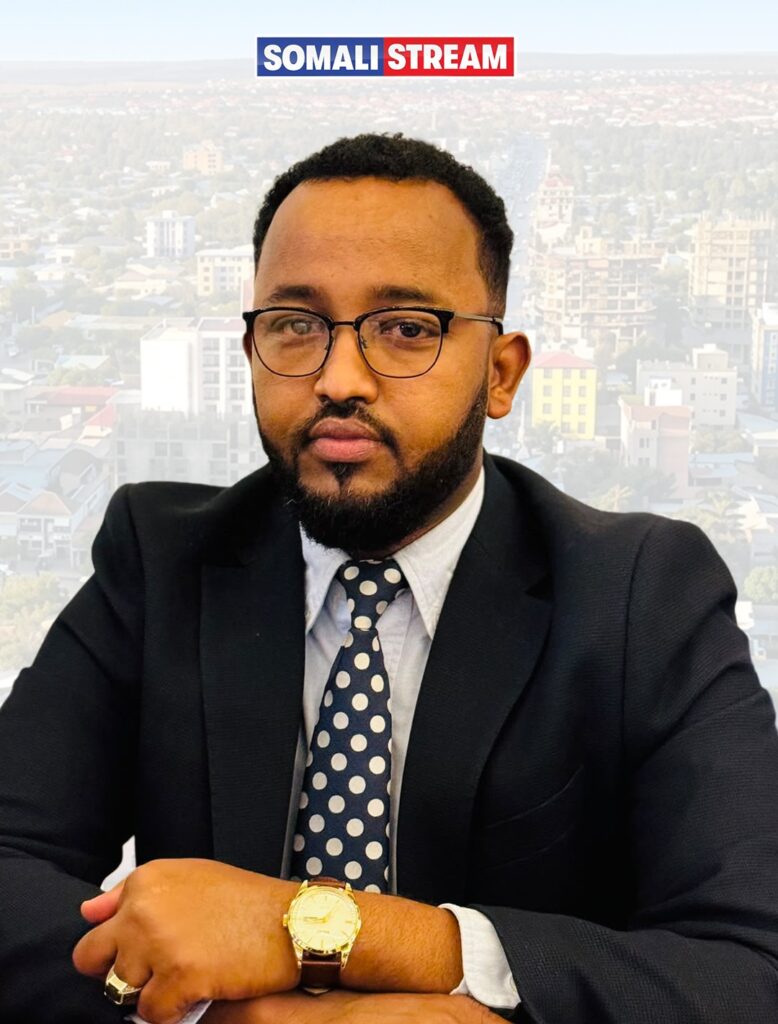
BY:Abdishakur Abdiwahid
I travelled to Mogadishu with one clear goal in mind: to explore relocating to Somalia and contribute to rebuilding my country through opportunities in both the public and private sectors. I arrived with much hope, some professional experience, and an eager willingness to serve. Having lived in Sweden for a decade, I had gained valuable experience in integration projects and a keen understanding of how effective public institutions support society. These experiences strengthened my desire to contribute to Somalia’s development and in doing so, help build institutions that serve all citizens fairly. My time in the capital, however, revealed a difficult gap between the image of government presented abroad and the realities I encountered on the ground. What I began as a journey of possibility quickly became a deeper reflection on access, accountability, and the opportunities available to Somalia’s qualified young people.
Connections Outweigh Qualifications
One of my deepest concerns was the apparent glaring influence of clan affiliation and personal connections on access to any government employment and advisory position. From what I observed, recruitment did not consistently reflect transparent competition based on qualifications, experience, and professional competence. My experience left me with the lasting impression that ministers, directors-general, and influential figures around the offices of the president and prime minister exercise considerable influence over who receives opportunities. When such actionable access depends on proximity to those in power, qualified applicants without the right connections face serious barriers. These observations, however, reflect my personal experience rather than a rather comprehensive assessment of every institution. Nevertheless, they raise an important question: how can Somalia retain its talent if capable citizens cannot forsee a fair route into public service?
The Human Cost of Exclusion
For young people, exclusion from employment is more than an economic setback. It can totally weaken their confidence in the state and their belief that education and hard work will lead to opportunity. A graduate with a master’s degree or an experienced professional should be able to apply to serve their country through a credible recruitment process. They should not have to seek personal favours from respective political figures to have their qualifications considered. When young people believe and perceive that connections matter more than competence, migration becomes increasingly attractive. Europe and North America can represent the possibility of fairer access to employment, education, and a more secure future. Somalia risks losing precisely the people whose knowledge and energy it needs to rebuild— a colossal brain drain! The same challenge affects members of the diaspora who wish to return. Encouraging them to bring their skills and experience home must be accompanied by credible opportunities to contribute.
A Lesson from Sweden: Institutions Must Outlast Political Uncertainty
One experience in Sweden left a lasting lifelong impression on me. Following the 2018 election, political parties struggled for more than four months to agree on a new government. During that period, a caretaker government remained in office while negotiations continued. What impressed me was the continuity of public services. In my experience, institutions continued carrying out their responsibilities, and everyday access to government services did not depend on the outcome of political negotiations. Political uncertainty did not bring public administration to a standstill. For me, this demonstrated the value of strong institutions: a country’s ability to serve its citizens should not depend entirely on the individuals holding political office at a particular time. Somalia can learn from this example. We need professional, accountable institutions that operate according to clear laws, transparent procedures, and equal treatment. Access to employment, opportunities, and public services should not depend on pleasing the president, the prime minister, or their associates.
Public Institutions Must Serve Citizens
During my stay in Mogadishu, I also encountered weaknesses in service delivery and fairness within government institutions. My concern was that access appeared too dependent on individual officials rather than clear procedures applied equally to everyone. Effective institutions require published rules, defined responsibilities, and mechanisms for challenging unfair decisions. Citizens should be able to obtain services and pursue opportunities without relying on personal introductions or political sponsorship. Public officials hold a responsibility to serve every member of the populace. Their authority should be exercised through established procedures, with decisions open to scrutiny and institutions accountable for their performance. Somalia’s future depends on institutions that remain credible and functional regardless of who occupies whichever ministerial office.
Representation Must Be Matched by Competence
Somalia’s clan-based 4.5 power-sharing framework deserves critical scrutiny, particularly where political bargaining influences access to professional positions. Political representation and professional recruitment serve different purposes. Whatever arrangements govern the distribution of political power, public administration needs qualified people selected through fair and transparent processes. Representation should not become a justification for overlooking competence or excluding citizens without powerful sponsors. Education, experience, integrity, and the ability to deliver results must carry meaningful weight. Qualified young people should have opportunities to participate in political life, shape public policy, and contribute to national development. Their future should not depend on securing the approval of a patron.
A Fairer Path Forward
My recommendation is straightforward: strengthen public institutions and make merit, transparency, and accountability central to recruitment and service delivery. Vacancies should be openly advertised, selection criteria clearly published, and candidates assessed through fair competition. Recruitment decisions should be documented, conflicts of interest addressed, and applicants given credible channels to challenge unfair treatment. Institutional reform must also create meaningful opportunities for young people and returning diaspora professionals. Their knowledge and experience should be treated as national resources. The opportunities that have enabled women such as Sagal and Ilhan to advance abroad should prompt serious reflection about the barriers facing ambitious young Somalis at home. I fear that comparable pathways will remain out of reach for generations unless meaningful reforms take place.
Why I Still Believe Reform Matters
I left Mogadishu disappointed, but my disappointment comes from a desire to contribute. Somalia has capable people who want to serve. Its institutions must give them a fair opportunity to do so. Rebuilding our country requires more than inviting the diaspora to return or encouraging young people to remain. It requires a system in which every qualified Somali can contribute with dignity—and where knowledge, ability, and commitment carry more weight than connections. Hope may encourage people to return. Fairness, functioning institutions, and credible opportunities will give them a reason to stay.
Abdishakur Abdiwahid is a humanitarian analyst and founder of Cross-Border Development Initiatives (CBDI). He has eight years of humanitarian experience in Somalia, including managing USAID- and CIDA-funded projects. He has worked on integration projects in Sweden and currently supports youth rehabilitation at Statens institutionsstyrelse (SiS). He has studied Development Studies at master’s level and holds a diploma in Integration and Forced Refugee Studies from Hjo public institute , Sweden.