


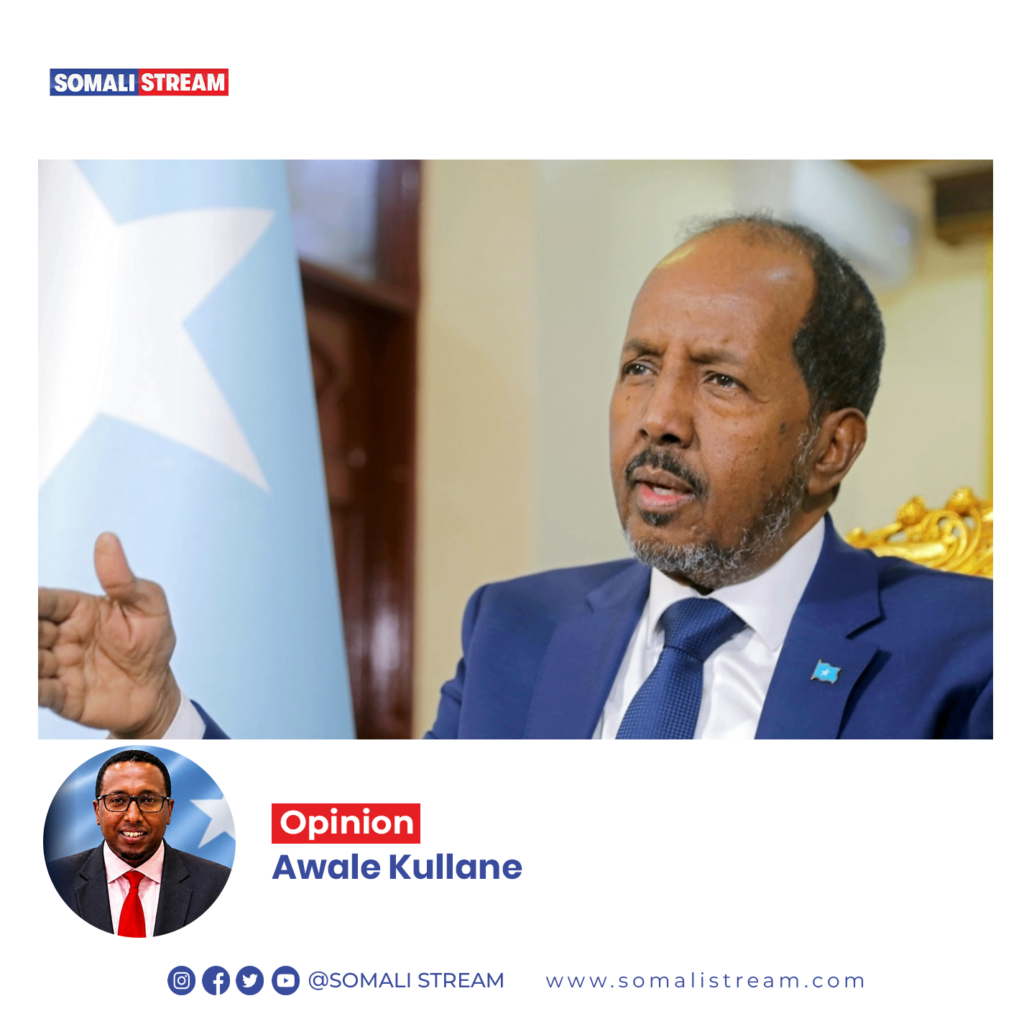
Somalia’s electoral commission has scheduled parliamentary elections for April 15, 2027, and a presidential election for May 15. The government maintains that electoral preparations and political dialogue can proceed together. But when the rules themselves remain contested, a timetable cannot substitute for agreement. It risks making negotiations an invitation to accept decisions already taken.
President Hassan Sheikh Mohamud’s apparent miscalculation is to treat continued international engagement as permission to proceed. To understand why that is dangerous, it helps to understand the framework that made such engagement possible.
The framework behind the restraint
The reconciliation and institution-building architecture that has governed post-conflict transitions since the early 1990s did not arrive fully formed. It was developed across three decades, and its development was directional. Countries inside it were not relying on a static instrument. They were relying on a system that kept extending its reach.
Boutros Boutros-Ghali proposed its outer ambition in An Agenda for Peace in 1992, sketching a continuum from preventive diplomacy to post-conflict peacebuilding and asking for the enforcement capacity to make it real. That capacity was not permitted. When the United States vetoed his second term in 1996, the message to his successors was legible: the office could propose doctrine, but not implement it against the will of a permanent member. Kofi Annan repositioned the institution around development, human rights, and the norms that would crystallise at the 2005 World Summit as the Responsibility to Protect. Ban Ki-moon carried the architecture into the Sustainable Development Goals and the 2015 climate framework. António Guterres refined the preventive-diplomacy posture through Our Common Agenda, extending the reach of soft mechanisms because harder ones remained foreclosed.
Each of these turns was, from inside the framework, a signal that the direction of travel was intact. The instruments available to a country like Somalia might have been limited at any single moment, but they were also under continuous refinement. Mediation capacity was being built. Peacebuilding architecture was being extended. Financing mechanisms were being calibrated. The African Union’s peace and security architecture was being integrated into the UN’s own operations through vehicles that had no equivalent thirty years earlier. This was the shade to work under. It was not a guarantee. It was a direction.
What the signals actually say
The distinction between engagement and endorsement is not semantic. The UN’s mediation guidance advises mediators to minimise public criticism while maintaining frank exchanges in private. Diplomatic restraint can protect the possibility of agreement. Reading it as approval mistakes a negotiating method for a political verdict.
The warnings also predate the current timetable. In October 2023, UN envoy Catriona Laing said constitutional amendments, including term extensions, should rest on “inclusive dialogue, consensus and legislative processes”. Nevertheless, March 2026 amendments extended incumbent terms amid opposition and federal-state objections; US- and UK-facilitated talks on May 13–15 ended without agreement. In June, the UN said repeated warnings against renewed confrontation had gone unheeded. Egypt’s President Abdel Fattah el-Sisi subsequently urged national consensus, reinforcing that message from a different diplomatic quarter.
Continued security assistance does not erase these conditions. Security Council resolution 2809 combined support for Somalia’s security arrangements with calls for broad political support and inclusive electoral processes. Supporting the state against collapse is not underwriting its president’s constitutional choices.
Nor is external investment an insurance policy. UNTMIS is scheduled to cease operations on October 31, 2026, while Washington has proposed a twelve-month drawdown of UN logistical support for peacekeepers, not yet an adopted Council decision. These developments are not proof of punishment for constitutional disputes. They do show why yesterday’s investment cannot guarantee tomorrow’s support.
There is, however, a relevant precedent for explicit pressure. In 2021, Washington warned that implementing a term extension could trigger reassessment of bilateral relations, sanctions and visa restrictions. That was a warning in a different confrontation, not a current ultimatum. It nevertheless demonstrates that diplomatic patience need not remain cost-free.
The president’s practical choice is therefore not between sovereignty and foreign interference. It is between negotiating domestic consent while international engagement remains available and attempting to impose an electoral outcome without securing either domestic acceptance or assured external backing.
He should make the timetable negotiable and return the constitutional basis, electoral rules and mandate dispute to substantive talks. Partners should distinguish support for Somalia from support for a contested process, while protecting humanitarian relief and essential security assistance. A negotiated correction would not diminish sovereignty; it would give it a firmer foundation.
The miscalculation is not failing to predict international wrath. It is assuming that, because partners have not withdrawn their hands, they have endorsed the direction in which he is taking the country.
Awale Kullane is a Somali diplomat and political analyst who writes on institutions and political leadership in the Horn of Africa. Find him at www.linkedin.com/in/awale-kullane-2632a5388.
