


By: Mohamed Amin Mohamud
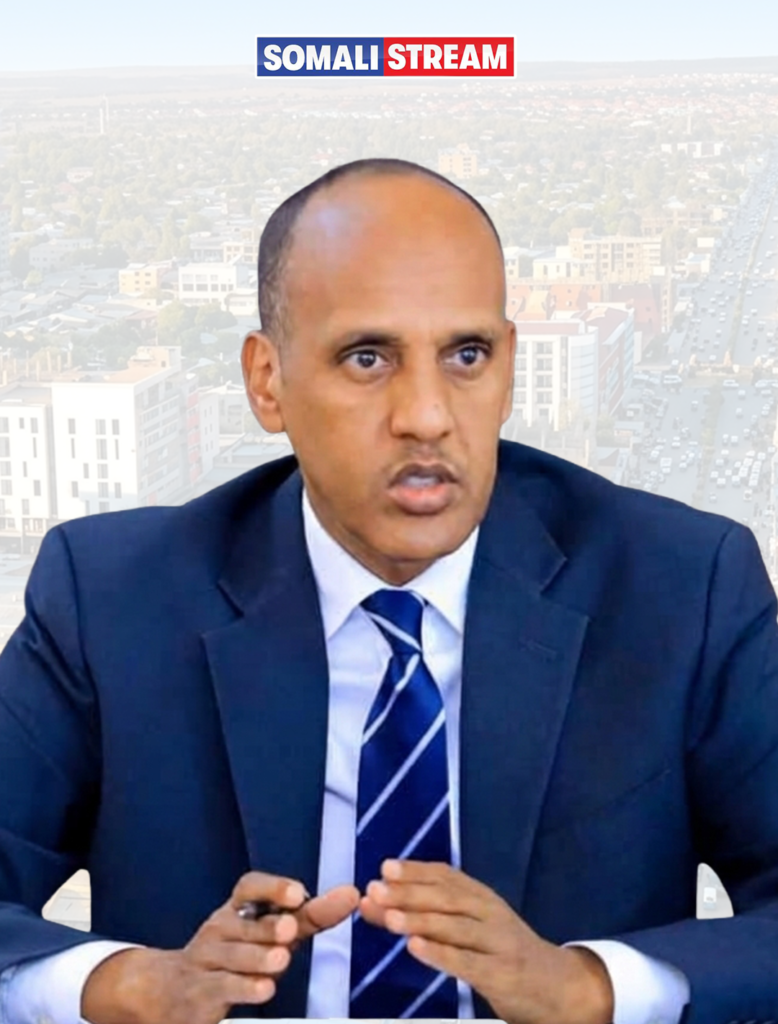
On 1 October 2026, the Somali Regional State Council re-elected His Excellency Mustafe Muhumed Omar, widely known as Cagjar, as President of Ethiopia’s Somali Regional State for another five-year term. It is a moment that closes one chapter and opens another. President Mustafe has led the region since August 2018, and he now begins a new mandate carrying the weight of nearly eight years of decisions, reforms and hard-won progress.
For me, this news carries a personal dimension. I first met President Mustafe in 2013 at the Gigiri UN Compound in Nairobi, Kenya. He was then working with the United Nations Office for the Coordination of Humanitarian Affairs (OCHA) and gave a presentation at a workshop I attended. Even then, I was struck by how closely he engaged with participants and how seriously he treated the concerns of vulnerable communities. Watching his journey since that day has given me a particular perspective on the leader he has become.
The past eight years have brought significant change to the Somali Regional State in peacebuilding, infrastructure, education, healthcare, water access and investment. Challenges certainly remain, but these developments now form an important part of the region’s recent history, and they deserve a careful and honest look.
Key Achievements of the Past Eight Years
1. Peacebuilding and Political Reconciliation
Perhaps the defining moment of President Mustafe’s tenure came early, with the peace agreement between the Ethiopian government and the Ogaden National Liberation Front (ONLF) in October 2018. The agreement allowed exiled leaders to return home, created a path for former fighters to rejoin civilian life, and brought a long-running armed movement into peaceful political participation. Improved security and ongoing reconciliation efforts have since opened space for development. Still, lasting peace and community security are not achieved once and for all; they remain priorities that require constant attention.
2. Expanding Access to Education
Education has been one of the administration’s clearest commitments. Published reports indicate that more than 700 schools have been built across the region, including over 100 secondary schools and 12 boarding schools. For many children and young people, particularly in remote and pastoralist areas, these schools represent opportunities that previous generations simply did not have.
3. Strengthening Healthcare
The region has also invested heavily in building, renovating and upgrading hospitals. In a May 2026 interview with The Reporter Ethiopia, President Mustafe stated that his administration had constructed 21 new hospitals, bringing the regional total to more than 30. In a region where families often travel long distances to reach medical care, every new facility can make a real difference to lives and livelihoods.
4. Water Access and Pastoralist Resilience
Few issues matter more to the people of the Somali Region than water. Pastoralist communities have endured repeated droughts and chronic water scarcity, with devastating effects on households and livestock. The administration reports having developed more than 360 underground water wells, alongside reservoirs, dams and water pipelines. This kind of infrastructure is the backbone of rural resilience, helping families and herds survive the dry seasons that have become increasingly severe.
5. Roads, Electricity and Urban Development
Jigjiga and other regional towns have seen notable investment in roads, public facilities and urban infrastructure. Expanded electricity access and better rural connectivity have strengthened public services, eased trade and made movement between communities easier. Together, these improvements are laying the groundwork for stronger economic activity and more reliable service delivery.
6. Investment and Economic Opportunity
The region has drawn growing interest from domestic investors, the Somali diaspora and international businesses. Investment has flowed into hotels, trade, manufacturing, agriculture and major industrial projects, creating new avenues for economic growth. Sustaining this momentum will depend on continued efforts to improve the business environment and, above all, to create jobs for the region’s large and growing youth population.
7. Institutional Reform and Public Administration
The administration has also undertaken reforms in public institutions and security structures, with the aim of improving service delivery and strengthening government capacity. The task ahead is to build on these reforms by deepening accountability, upholding human rights, widening access to justice and ensuring that public institutions serve every community fairly.
These achievements are documented in reporting by The Reporter Ethiopia and Hiiraan Online. They should be read alongside the region’s ongoing challenges, including recurrent drought, unemployment, unequal access to services and the continuing need for stronger institutional accountability.
Challenges That Remain
An honest account of the past eight years must also recognise the problems that persist. Several of them will shape the success or failure of the new mandate.
1. Recurrent Drought and Food Insecurity
Despite major investment in water infrastructure, the region remains highly exposed to climate shocks. Repeated poor rains in 2025 and 2026 caused livestock losses, acute water shortages and rising food insecurity, especially in Afder and Shebelle zones. A joint assessment by the Regional Health Bureau and Médecins Sans Frontières found high malnutrition admissions and health facilities stretched beyond their capacity. Wells and reservoirs reduce the damage, but on their own they cannot protect pastoralist livelihoods from droughts that are becoming longer and more frequent.
2. Boundary Disputes and Intercommunal Conflict
The long-running dispute along the Somali-Afar boundary has repeatedly cost civilian lives, displaced families and disrupted the vital Addis Ababa-Djibouti trade corridor. Tensions along the boundary with Oromia also persist. Regional leaders have committed to resolving these disputes through dialogue, yet violence has returned more than once, showing that political agreements have not yet become durable settlements on the ground.
3. Protecting the 2018 Peace Settlement
The agreement with the ONLF remains one of the administration’s defining achievements, but the relationship has become strained. The movement has split into rival factions and has publicly accused the federal government of failing to honour the agreement. A return to armed struggle appears unlikely, since few people in the region want to revisit the years of war, but unresolved grievances still erode political trust.
4. Youth Unemployment and Economic Inclusion
The region has a large and fast-growing youth population and too few formal jobs. Although it holds Ethiopia’s largest natural gas reserves and is attracting new investment, many residents feel they have not yet shared in the benefits. Unemployed young people are vulnerable to migration, idleness and recruitment into conflict.
5. From Buildings to Quality Services
New schools and hospitals need qualified teachers, health workers, medicines, equipment and reliable operating budgets. Without these, infrastructure risks becoming buildings without services. Learning outcomes, maternal and child health indicators and the functionality of water points matter more than the number of facilities opened.
6. Accountability, Human Rights and Civic Space
The region still carries the legacy of serious abuses committed before 2018. Building lasting public trust requires independent oversight, free media, an active civil society, accessible courts and a credible process for victims of past violations to obtain justice.
7. Displacement and Shrinking Humanitarian Funding
Drought and conflict have left many families in displacement sites with limited access to shelter, water and livelihoods. At the same time, humanitarian funding across the Horn of Africa has fallen sharply, which places greater pressure on regional and federal resources.
Recommendations for the New Term
Building on the progress made so far, the following priorities could help the next five years deliver lasting results:
- Shift from drought response to drought resilience. Invest in early warning and anticipatory action, rangeland and water point management, fodder reserves, livestock insurance and dedicated maintenance budgets for wells and pipelines, managed together with community water committees.
- Turn peace agreements into durable settlements. Work with the federal government and the House of Federation toward a final, legally binding resolution of boundary disputes, support the safe return and compensation of displaced people, and strengthen the role of traditional elders and religious leaders in local reconciliation.
- Invest in people, not only infrastructure. Recruit, train and retain teachers and health workers, guarantee recurrent budgets for supplies and operations, and track results through learning and health outcomes rather than construction figures alone.
- Create jobs at scale for young people. Link technical and vocational training to real market demand, develop livestock value chains such as processing and export, expand access to finance including Sharia-compliant products for small businesses, and require energy and industrial investors to hire and procure locally.
- Deepen accountability and transparency. Publish regional budgets and project performance, support independent audits, strengthen courts and human rights institutions, protect journalists and civil society, and establish a credible transitional justice process for victims of pre-2018 abuses.
- Find durable solutions for displaced communities. Combine humanitarian support with land, livelihood and service options that allow internally displaced people either to return home safely or to integrate where they are.
- Measure and report results publicly. Adopt a clear results framework for the new term, with targets for each sector and annual public progress reports, so that citizens can judge progress by the improvements they experience in their daily lives.
How these challenges are addressed will determine whether the achievements of the past eight years become a lasting foundation or remain unfinished promises.
Looking Ahead: A New Five-Year Mandate
President Mustafe’s re-election offers a chance to build on the progress of the past eight years while tackling the work that remains unfinished. The coming five years will be decisive for consolidating peace, raising the quality of education and healthcare, securing reliable water supplies, strengthening the regional economy and creating sustainable employment.
Just as important is the question of who benefits. Development must reach remote rural communities, internally displaced people, women, young people, persons with disabilities and other marginalised groups. Inclusive progress should be measured not only by the number of schools, hospitals and wells completed, but by whether ordinary people feel a genuine improvement in their daily lives.
A Personal Reflection
My connection with President Mustafe goes back to 2013, years before he took office. That first meeting at the Gigiri UN Compound in Nairobi, during his time with OCHA, remains a personal reference point as I reflect on his years in public leadership.
His path from humanitarian work to regional leadership speaks to how closely humanitarian affairs, governance and development are intertwined in the Horn of Africa. As he begins this new term, my hope is that the years ahead will bring deeper peace, more accountable governance, wider economic opportunity and full respect for the rights and dignity of every citizen.
Congratulations to H.E. Mustafe Muhumed Omar on his re-election as President of the Somali Regional State. May this new term bring lasting peace, inclusive development and greater opportunity for all the people of the region.
Mohamed Amin Mohamud, is theExecutive Director of Jubaland Non State Actors Association [ JUNSAA ]