


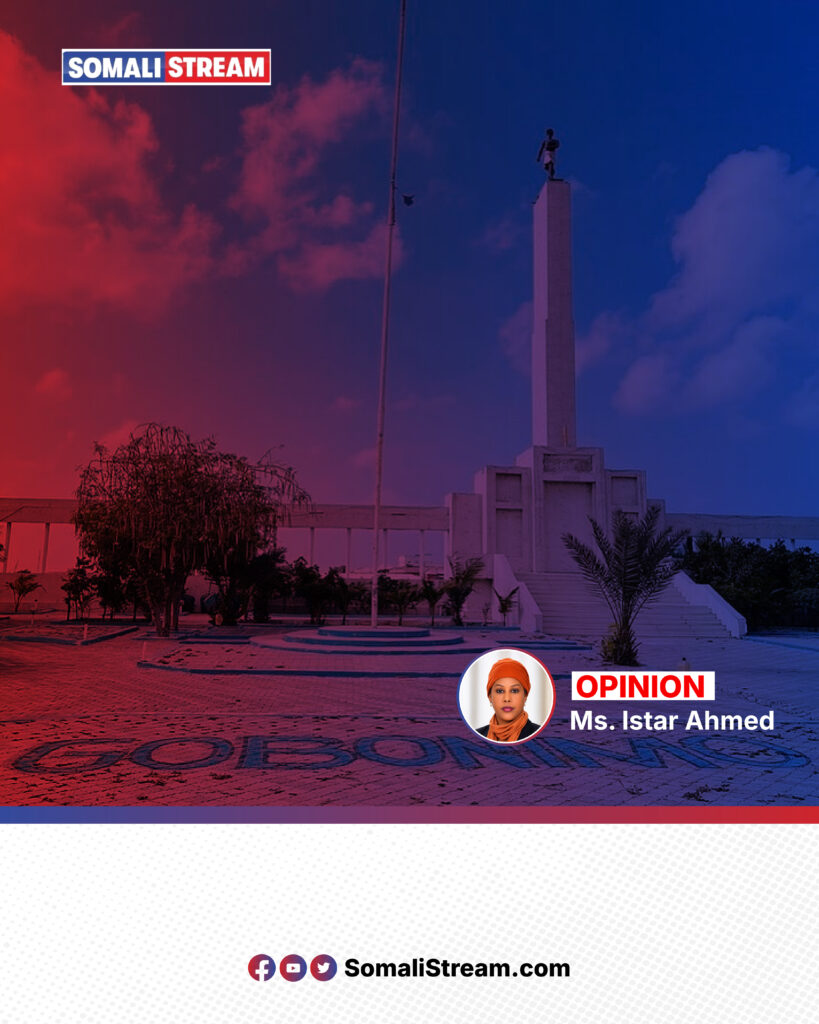
Each year on May 15, Somalia commemorates National Youth Day—a moment rooted not only in history, but in the enduring legacy of youth-led collective action. The Somali Youth Club was founded in 1943 by thirteen young Somalis in Mogadishu and later evolved into the Somali Youth League in 1947, becoming the first political party in Somalia. At a time of colonial division and political uncertainty, the SYL mobilized youth around the principles of unity, accountability, democracy, leadership, collective responsibility, and commitment to the greater public good. More than eighty years later, these values remain highly relevant for Somalia’s future.
Today, Somalia is one of the youngest countries in the world, with approximately 81.5% of its population under the age of 35¹. This demographic reality presents both the country’s greatest opportunity and one of its greatest responsibilities. Yet many Somali youth continue to face serious challenges, including high unemployment, lack of youth financing, limited access to quality education, weak technical and vocational skills, fragmented youth initiatives, and limited meaningful participation in governance and decision-making.
For many young people, the challenge is not a lack of ambition or creativity—but a lack of investment, opportunity, and systems that support their potential.
Despite these realities, Somali youth continue to demonstrate resilience, entrepreneurship, innovation, and grassroots leadership. Across communities, young people are building businesses, supporting local development initiatives, and contributing positively to social and economic stability. These efforts demonstrate that Somali youth are not waiting for change—they are already contributing to rebuilding their communities and shaping the country’s future from the grassroots level.
National Youth Day should therefore become more than symbolic celebration. The significance of May 15 should go beyond flags, ceremonies, and public displays. It should evolve into a nationally recognized platform for civic engagement, accountability, dialogue, and youth leadership focused on state-building, peacebuilding, education, employment, entrepreneurship, and national development.
As Somalia approaches the end of the current government mandate in May 2026 and enters an election period, youth have a critical role in strengthening democratic accountability and civic participation. Rather than focusing only on personalities or political divisions, young people should collectively engage leaders and presidential contenders by demanding clear commitments on employment, education, entrepreneurship, institutional development, transparency, and grassroots community investment.
Youth should also advocate for dedicated national and regional youth fund allocations to support innovation, entrepreneurship, technical skills, and youth-led initiatives across the country. Serious consideration should be given to integrating youth empowerment into Somalia’s national budget, including allocating a percentage specifically dedicated to youth development and innovation.
Establishing a dedicated national youth budget allocation—such as 2% specifically committed to youth empowerment and development—is a critical national conversation that should be discussed by youth, with youth, and for youth at local, regional, and national levels of government. Youth empowerment should not remain dependent primarily on international support and short-term donor-driven initiatives. Sustainable youth development requires long-term national ownership, institutional commitment, and meaningful domestic investment in the country’s future generation.
At the same time, the Federal Republic of Somalia and Federal Member States must recognize youth empowerment as a national priority through meaningful investment in education, TVET, technology, green jobs, entrepreneurship, and inclusive governance. Sustainable peace and state-building cannot be achieved while the majority of the population remains economically excluded.
The Somali private sector and business community also have a critical role to play. Companies providing major services should scale up support for youth financing, innovation, education, entrepreneurship, and talent development. Investing in youth-led initiatives and grassroots community programs is not only a social responsibility—it is an investment in Somalia’s long-term stability, productivity, and economic growth.
The legacy of the Somali Youth League reminds us that meaningful national transformation begins when youth organize around collective purpose rather than division. The SYL generation chose unity over fragmentation and action over silence. Today’s generation has the opportunity to reclaim that spirit by promoting accountability, civic responsibility, peacebuilding, and community-driven development.
Somalia’s future will not be shaped by division, but by the collective strength, ideas, and leadership of its youth. If meaningfully supported and empowered, this generation has the potential not only to rebuild institutions and communities, but to redefine Somalia’s future through unity, innovation, resilience, and shared national purpose.
Footnotes
¹ Federal Government of Somalia, Somalia National Youth Policy 2023–2030.
² Federal Government of Somalia, Somalia National Development Plan 2017–2019.
Ms. Istar Ahmed is Social Development Specialist (Education, Policy & Governance)