


The United Nations has sounded a stark warning over Somalia’s human rights situation, citing deadly violence, displacement, attacks on civilians and journalists, and continuing restrictions on civic space as the country’s international security mission prepares to wind down.
Addressing the UN Human Rights Council in Geneva, Mahamane Cissé-Gouro, Director of the Human Rights Council and Treaty Mechanisms Division at the UN Human Rights Office, said Somalia’s transition must not create a gap in human rights protection.
The UN highlighted a series of serious incidents during the reporting period. An escalation in Baidoa in March 2026 reportedly displaced around *8,461 households*, predominantly women and children, while disrupting essential services and livelihoods.
Violence in Mogadishu on *3 and 4 June* also resulted in deaths, injuries, displacement and damage to civilian property, according to the UN. The assessment further warned that continued political tensions and the lack of a clear, agreed roadmap for the upcoming election were adding to protection risks.
The UN also raised concerns over the treatment of journalists. *Thirteen journalists and media workers were reportedly detained without formal charge* between October 2025 and June 2026. The killing of a media worker in Kismayo in March and the abduction of a journalist in Mogadishu were cited as further evidence of the risks facing Somalia’s media community.
The UN called for prompt, independent and impartial investigations into such incidents.
Beyond individual cases, the UN described Somalia’s wider human rights protection environment as *“deeply fragile”*, pointing to continued abuses linked to Al-Shabaab attacks, counter-terrorism operations, political tensions and armed confrontation.
Sexual and gender-based violence also remain a major concern, while funding reductions have reportedly forced the closure of centres providing medical, psychological and legal support to survivors.
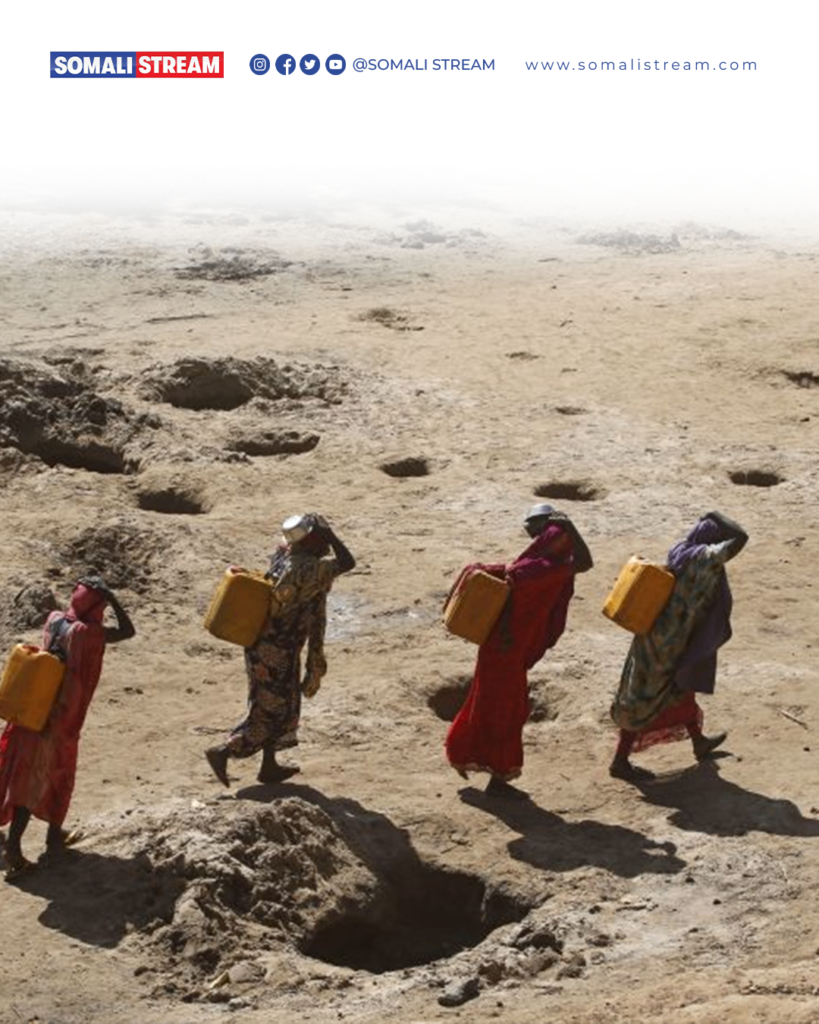
The UN further warned that the humanitarian situation is being compounded by conflict, drought, displacement, forced evictions, funding cuts, attacks on humanitarian personnel and flooding, undermining access to food, healthcare, water and protection.
The concerns come as the *UN Transitional Assistance Mission in Somalia (UNTMIS)* prepares to end its mandate on 31 October 2026. The UN has warned that the transition must not leave Somalia without adequate human rights monitoring and protection mechanisms.
While recognising progress in Somalia’s institution-building and legal framework, the UN is calling on the government to strengthen accountability, protect civic space, investigate alleged violations and ensure the independence and adequate resourcing of the National Independent Human Rights Commission.
The assessment leaves a difficult challenge for Somalia: as international security and political support shifts towards nationally led institutions, the government will face growing pressure to demonstrate that the transition can deliver greater security without leaving civilians, journalists and other vulnerable groups exposed.
