


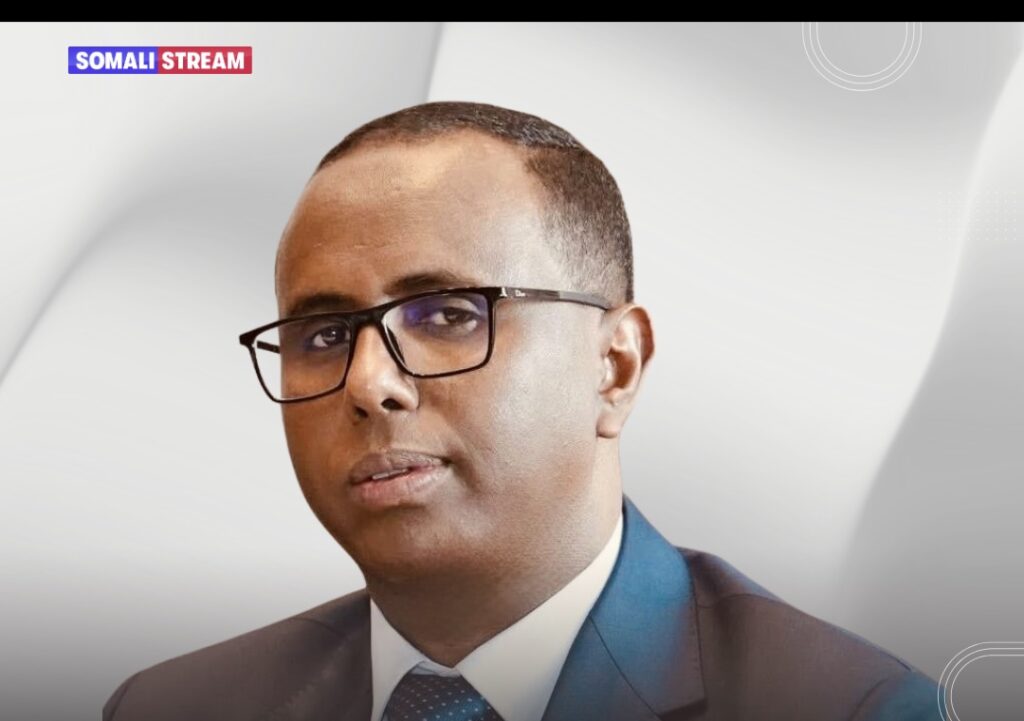
By Dr. Abdulkadir Shire-Daaci
Welcome to this week’s blog, where we dive into an ambitious roadmap shaping Somalia’s future—specifically its healthcare system. For anyone curious about how fragile states navigate the complex path toward rebuilding essential public services, this reflection on Somalia’s National Transformation Plan (NTP) 2025–2029 offers valuable insights.
Healthcare is more than just clinics and doctors—it’s the backbone of a nation’s well-being and a driver of sustainable development. Somalia, after decades marred by conflict and institutional fragility, faces immense challenges in delivering quality care to its population, especially in underserved rural areas. The good news? The NTP and its strategic health components shine a hopeful light on the road ahead.
Why Health Reform Matters in Somalia
Somalia’s healthcare struggles aren’t new. Years of political instability and limited investment have resulted in inadequate infrastructure, a significant shortage of trained health workers, and poor health outcomes, including high maternal and child mortality rates. Many communities, particularly outside urban centers, often lack access to basic healthcare services.
Recognizing this urgent need, Somalia’s federal government, through the Ministry of Planning, Investment, and Economic Development, launched the NTP 2025–2029.
What are The Five Pillars of Somalia’s Health System Revitalization?
The NTP lays out a comprehensive blueprint organized around five essential themes. Let’s take a closer look:
- Expanding Primary Healthcare Services: The plan emphasizes scaling up community-based healthcare centers. By improving access to essential services like maternal care, immunizations, and disease prevention at the grassroots level, Somalia aims to reduce reliance on hospitals and ensure care reaches rural and marginalized populations. It’s about bringing healthcare closer to home where it’s needed most.
- Developing the Health Workforce: Perhaps the most critical resource in healthcare is its professionals. Somalia faces a significant shortage of doctors, nurses, and midwives. The NTP proposes ramping up medical education and training, offering incentives to attract professionals, especially to underserved regions, and fostering continuous skill development. This targeted investment in people promises higher-quality services and better health outcomes.
- Enhancing Health Infrastructure: Many existing health facilities suffer from dilapidation, lack of equipment, and insufficient supplies. The plan calls for rebuilding hospitals, opening new clinics in remote areas, and improving the availability of essential medical tools. Better infrastructure not only improves patient care but also strengthens the system’s resilience to emergencies and outbreaks.
- Strengthening Governance and Regulation: Good governance is the glue that holds everything together. Somalia’s fragmented health sector, involving various actors from federal agencies to international NGOs, demands improved coordination, transparent policies, and accountability. The NTP strives to empower regulatory bodies and enhance collaboration between federal and regional governments to ensure efficient resource use and universal standards of care.
- Leveraging Health Information Systems and Technology: In the digital age, data drives decisions. Somalia aims to build robust health information systems that allow for effective tracking of diseases, resource allocation, and rapid responses to public health emergencies. Digital tools like electronic health records and national databases will support evidence-based policymaking and strategic planning.
Obstacles on the Road to Success
While the NTP presents a comprehensive and hopeful framework, real-world challenges loom large. Financial constraints remain a major hurdle—Somalia’s health sector still heavily relies on international donors, underscoring the need for increased domestic investment. Security issues in certain regions complicate infrastructure development and workforce deployment. Climate-related crises such as droughts and floods add pressure by increasing demand for emergency medical services.
Overcoming these barriers requires sustained government commitment, improved coordination between national and regional authorities, and ongoing partnerships with global development actors. Without this collective effort, even the best-laid plans risk falling short.
Looking Ahead: What This Means for Somalia
The National Transformation Plan’s Key Result Area 3 sets out a bold vision: to move Somalia’s health system from fragility toward stability and inclusiveness. By focusing on primary healthcare, equipping a skilled workforce, securing infrastructure, ensuring governance, and embracing technology, Somalia is laying down the building blocks for long-term health improvements.
It’s important to remember that such transformational change takes time—and that flexibility and adaptation will be key as the plan moves toward implementation. But with clarity of purpose and the cooperation of all stakeholders, including local communities and international partners, meaningful progress is within reach.
Thanks for joining this conversation about Somalia’s health future. Next week, we’ll explore how similar post-conflict nations are tackling health reform as a parallel track to build human capital and break cycles of instability. Until then, stay curious and connected—because health, in all its forms, is a shared journey.
Dr. Abdulkadir Shire-Daaci is Health Sector-National Transformation Plan Advisor for the Ministry of Health & Human Services, Federal Government of Somalia.