


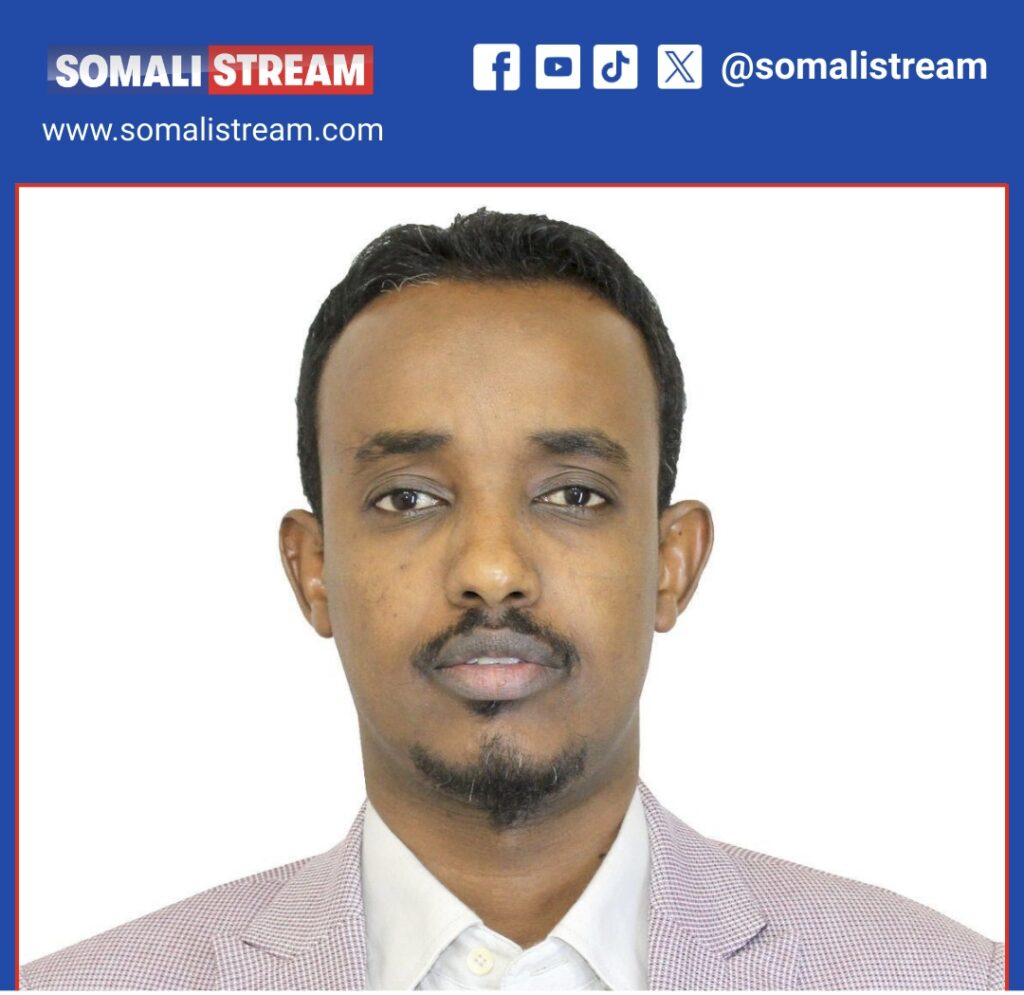
By: Jibril Jama Rafle
Somalia is once again dealing with a terrible drought in 2025. This latest drought puts millions of people at risk while politicians focus on election strategies. Consecutive failed rainy seasons in this year have intensified food insecurity, orchestrating another humanitarian crisis for the country. On November 10, 2025, the Somalia Disaster and Humanitarian Management Agency (SoDMA) have declared a drought emergency and despite this formal recognition, tangible interventions and coordinated relief efforts remain limited and minimal.
As per the reports from the fields, it is estimated that the levels of drought severity are worsening in the northern, central, and Southern parts of Somalia. Due to the shortfalls seen in normal rainfall between the months of October and December, 2025,food prices have already risen with an estimated 4.5 million expected to fall under severe levels of acute food insecurity. All these is on-top of 3.4 million who were already facing acute food insecurity. It has also been cited that over 1.85 million children between the ages of six and 59 months old are projected to be affected by Acute Malnutrition between July 2025 and June 2026. Out of these, 421,000 children are likely to be affected by Severe Acute Malnutrition, while 1.43 million remain susceptible to Moderate Acute Malnutrition.
Puntland is among worst regions with drought conditions necessitating nearly one million people to be in need of urgentsupport, including 130,000 in immediate life-threatening situation. Widespread crop germination failure is another national drawback reported in Lower Shabelle, Middle Shabelle and Bay. Traditionally pastoral provinces of Gedo, Lower Juba, Sool, Sanaag, and Togdheer have themselves fallen under acute water shortages and worsening climatic conditions.
With the ever-threatening drought condition tightening its grip around Somalia, it is observed that the Somali humanitarian response is hindered by the lack of funding towards alleviating it. Of the $1.42 billion that is required to assist nearly six million people, only 23.7 percent of the budget has been funded. Beyond that, there have been global reductions of humanitarian spending that have debilitated the humanitarian situation, according to the Somalia NGO Consortium and other key observers.
What is perhaps most troubling is the muted response from the Somali government. While SoDMA’s drought declaration was amuch-needed necessary step in the right direction, it falls far short of the robust response mounted during the 2022 drought, when government leadership played a more visible role in mobilizing resources and consideration. This lack of urgency today raises serious questions about political goodwill and commitment, especially at a time when international funding is shrinking rapidly.
Rather than seeking the survival of its own people, the government is seemingly obsessed with pursuing its flailing and elusive one person, one vote political agenda. Opposition leaders, for their part, are no less absorbed in political calculations of their own. On December 20, 2025, opposition figures concluded in Kismayo for a summit focused largely on shaping the 2026 election roadmap and challenging the government’s controversial electoral model. Meanwhile, across the country, families are struggling to find food and water, and children are having their lives cut short from hunger.
This glaring disconnect between political elites and the suffering public is eerily stark. At a moment when national unity and decisive leadership are desperately needed, Somalia’s leaders both in government and opposition seem more concerned with endless power struggles than with saving lives of their despondent citizens. The drought is not waiting for elections, conferences, or roadmaps. It is killing people now and here.
Somali citizens increasingly feel abandoned, isolated atoms who are to be treated as mere stepping stones in a relentless quest for political power; rather than as dignified human beings deserving protection and preservation. If these so called leaders continue to neglect the humanitarian emergency in favor of electoral ambitions, history will judge them harshly. Elections can be postponed, debated, or redesigned but lives lost to hunger and thirst can never be recovered.
In the end, the drought crisis in Somalia is ultimately a test of moral responsibility and leadership rather than just a natural calamity. Political priorities are controllable, but rainfall patterns are not. If electoral conflicts continue to take precedence over human survival, the public’s despair could worsen and many lives could be lost. It is imperative that Somalia’s leaders, both opposition and government, turn their attention from political rivalry to concerted humanitarian efforts. The nation cannot afford leaders who argue over authority while its citizens go hungry. In order to prevent this drought from becoming just another avoidable tragedy in Somalia’s history, immediate, decisive action is required.
Jibril Jama Rafle is an experienced specialist in policy analysis, research, planning, and monitoring & evaluation (M&E), with more than 8 years of progressive leadership experience in the government, humanitarian, and development sectors in Somalia.