


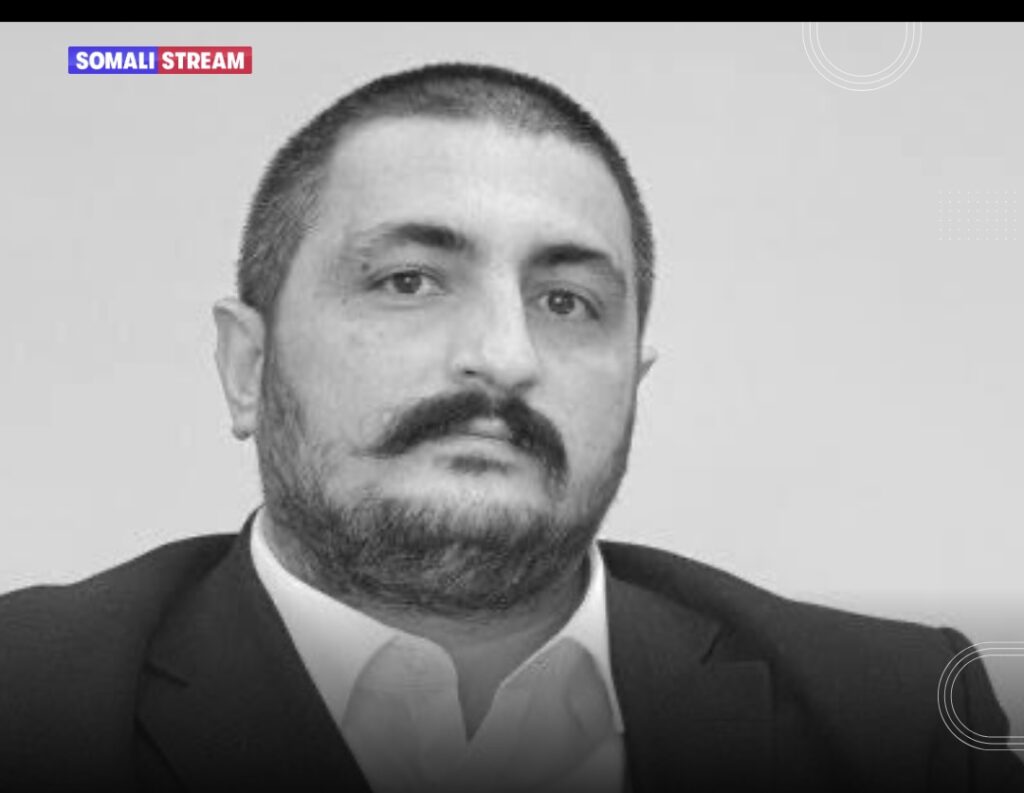
The Embassy of the Federal Republic of Somalia in Ankara has initiated formal legal action against Turkish blogger Umut Çağrı Sarı, accusing him of repeatedly targeting Somali government officials and institutions with misleading information, defamatory content, and politically charged commentary, according to a source close to Somalia’s Ministry of Foreign Affairs who spoke with Somali Stream.
The complaint, filed on March 17, 2026, through the Embassy’s legal representative Attorney Batuhan Öktem, was submitted to the Office of the Chief Public Prosecutor in Ankara, seeking a formal criminal investigation under Turkey’s Penal Code.
According to the Embassy, Sarı has used his social media platform, X (formerly Twitter), to go far beyond the role of a commentator or blogger. Rather than offering balanced analysis or neutral opinion, he has allegedly launched direct attacks, criticism, and public humiliation of Somali diplomats and officials, presenting false and unverified claims as fact. A particularly contentious post involved allegations about a Somali diplomat’s family ties and supposed political positions regarding Somaliland—claims the Embassy describes as entirely fabricated and harmful to Somalia’s institutional reputation.
The Embassy’s filing emphasizes that Sarı’s actions constitute a systematic pattern of interference in Somali politics, contrasting sharply with the conduct of Somali bloggers and influencers. While Somali digital commentators have historically treated Turkey as a “brotherly nation” and maintained distance from domestic Turkish political debates, Sarı is accused of exhibiting a domineering and intrusive approach, effectively weaponizing his platform against Somalia rather than providing neutral commentary. This conduct, the Embassy argues, crosses legal, ethical, and diplomatic boundaries.
The complaint also notes that Somali social media users have consistently defended their officials and institutions against Sarı’s attacks, criticizing what they view as inappropriate meddling in Somalia’s internal affairs. After repeated incidents and the absence of corrective measures or apologies from the blogger—even following a formal legal notice sent on February 12, 2026—the embassy concluded that filing a criminal complaint in Turkey was necessary to hold the individual accountable.
Under Turkish law, the Embassy has invoked multiple provisions of the Penal Code, including Article 216 on incitement to hatred or hostility, Article 217/A on public dissemination of misleading information, and Article 267 on defamation. These charges carry prison sentences ranging from several months to up to four years, depending on the offense, highlighting the seriousness with which the Somali government is pursuing the matter. The embassy has further requested measures to ensure the suspect’s availability during the investigation, including a potential travel restriction.
This case underscores broader tensions in the era of globalized digital media, where online commentary can have cross-border political and diplomatic consequences. It raises critical questions about the limits of free expression, the responsibility of social media influencers, and the rights of sovereign nations to protect their officials and institutions from harmful misinformation campaigns. Analysts note that the Somali government’s move signals an assertive stance on defending its reputation abroad, drawing a clear line between permissible commentary and malicious interference.
As prosecutors in Ankara review the case, the international community is watching closely, recognizing that the outcome could set an important precedent for how governments respond to cross-border digital defamation and political provocation.