


By Adam Aw Hirsi, PhD
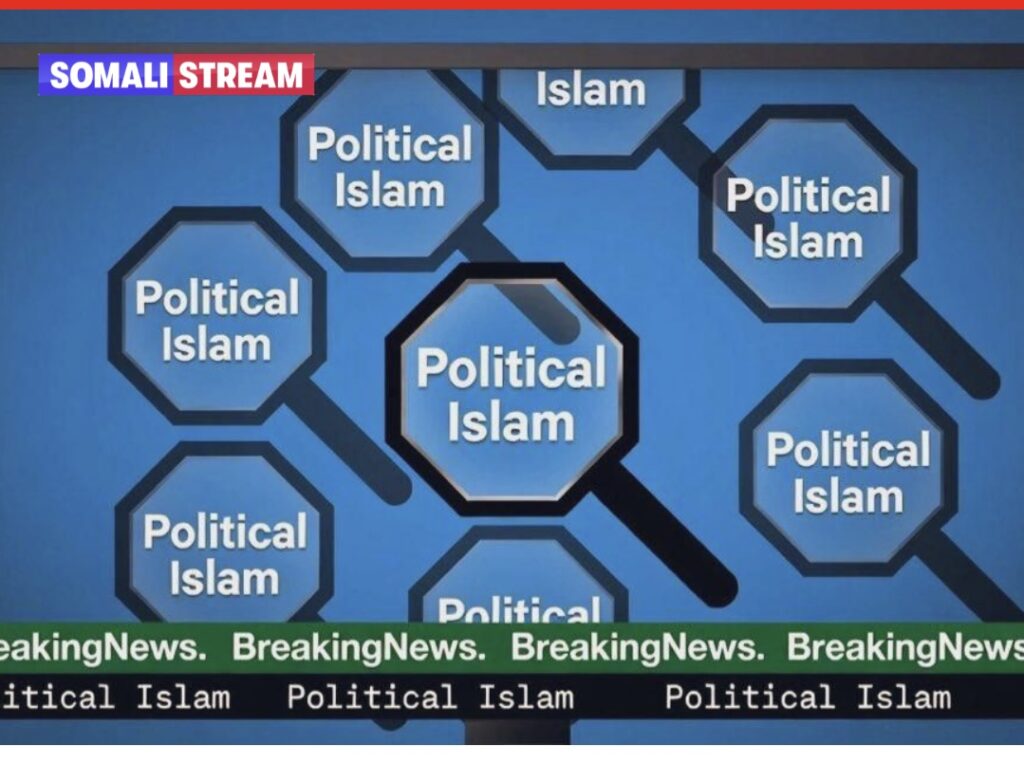
The term “political Islam” has become one of the most elastic and weaponized terms in everyday political vocabulary in today’s Western parlance.
For some people, the proponents of political Islam refer to those who, in the ostensible name of religion, carry out beheadings or suicide bombings against innocent civilians with whom they disagree.
For some, the proponents of political Islam signify Islamist political parties that seek power in their own Muslim-majority countries through elections and aim to gradually Islamize legislation and society.
For some, the proponents of political Islam are peaceful, apolitical fundamentalist Muslims who strive to adhere to the boundaries of their respective schools of thought within Islamic teachings.
For some people, the proponents of political Islam refer to men who expect their wives, sisters, and daughters to dress decently—and to the wives, sisters, and daughters who take the initiative themselves or choose to oblige their male relatives.
For some, the proponents of political Islam mean Muslims who pray—or believe they are required to pray—five times a day.
For some people, the proponents of political Islam are Muslims who believe and voice the belief that no one, including Muslims, should be disadvantaged because of their faith.
For some, the proponents of political Islam are Muslims who do not bend over backward to fit in, do not dress or shave to impress imaginary others, do not peddle Islamophobia or any other particular-faith phobia, and do not feel obliged to voluntarily self-distance.
For others, political Islam means Islam itself.
My son, know those nuances and live your life as you deem fit, unbowed.
__
Dr. Adam Aw Hirsi is the Director of Foresight for Practical Solutions (FPS) and a Global Geopolitical Analyst.