


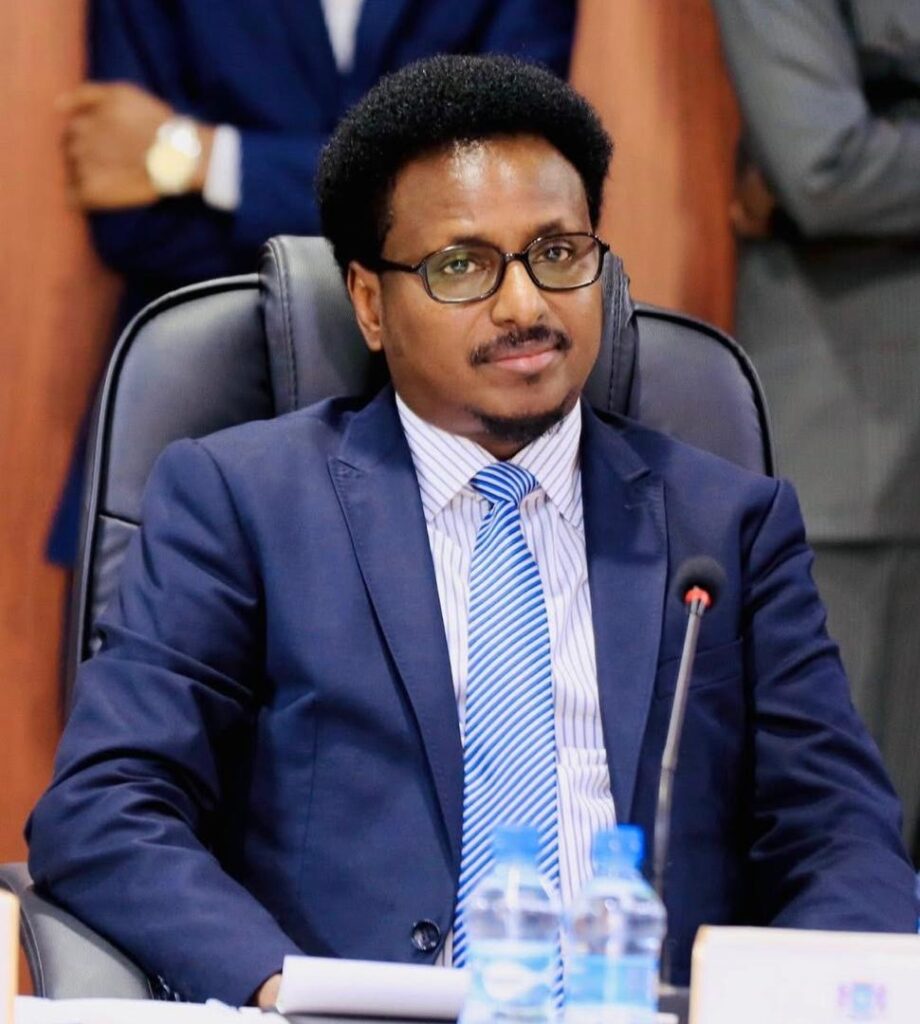
By: Dr. Kofi Adam
By his own admission, the President prides himself on the art of double talk. He once remarked that he can be one person in the morning and an entirely different one by evening. At the time, it sounded like a quip, the sort of self-aware humor politicians deploy to appear relatable. Recent events, however, suggest it was less a joke and more a governing method.
This pattern has become familiar. Promises are made, only to be reversed. Positions are declared, then quietly contradicted through executive action. Words move in one direction; policy marches in another. Under this administration, unpredictability has become the only constant.
Consider last year’s engagements with the opposition — five rounds of dialogue, each presented as a step toward political convergence. Every session produced cautious optimism, accompanied by familiar rhetoric about compromise and national interest. Yet whenever momentum seemed to build, it dissolved. Commitments blurred, signals shifted, and progress evaporated. Dialogue became less a mechanism for resolution than a recurring political ritual.
The approach to Jubaland reflects the same oscillation. An arrest warrant was issued for its President, Ahmed Madobe, after he declined to attend the National Consultative Forum. Troops were subsequently airlifted to Raaskambooni in what appeared to be coercive pressure. When neither legal nor military measures yielded results, the strategy pivoted again: the President traveled to Kismayo, extending the hand of dialogue.
Some describe this as pragmatism, and adapting tactics to circumstance. I see something more troubling. It is not merely hypocritical; at times, it borders on delusion.
The duality resurfaces in dealings with the opposition. Publicly, the President embraces dialogue. Simultaneously, he encourages Parliament to go ahead with the controversial constitutional amendments.
The irony is stark: negotiations meant to address grievances proceed alongside actions that deepen them. It is diplomacy conducted with one hand and disruption with the other.
Now, even as both Deni and Madobe signal readiness for constructive dialogue on governance and state-building, the public remains uncertain about what to expect from Villa Somalia.
Is the President playing poker with the country’s future?
Dr. Mohamed Adam Jimale (Kofi) previously held the position of Director of Immigration and Citizenship Agency. He now acts as the General Secretary of the Salvation Forum and serves on the Technical Committee for Somalia’s Future Forum.