


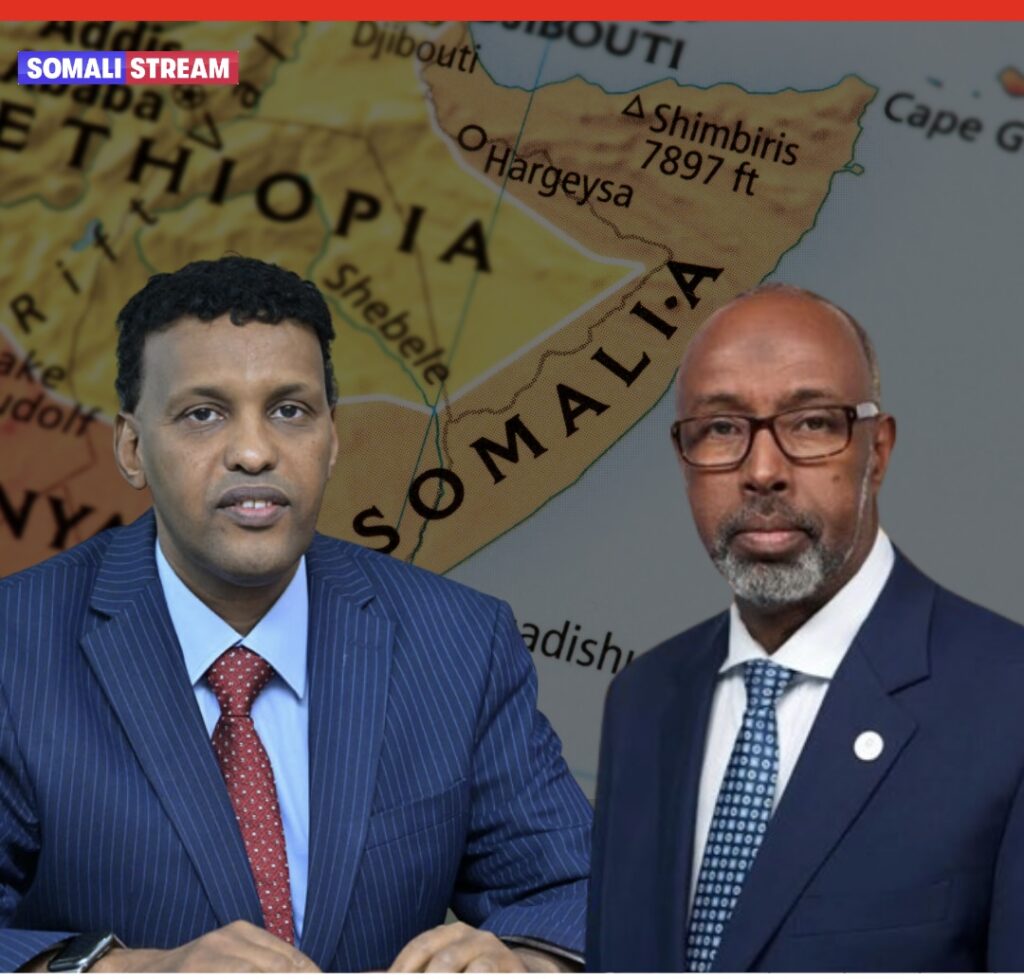
In February 2026, Somalia reached a historic milestone, securing a seat on the African Union Peace and Security Council (AU PSC) for the 2026–2028 term. This accomplishment comes nearly two years after Somalia earned a non-permanent seat on the United Nations Security Council (UNSC) for the 2025–2026 term—the first time since the 1970s that Somalia held such a position. For the first time in its modern history, Somalia is simultaneously represented on both the AU and UN Security Councils, signaling its emergence as a credible, respected, and influential voice in continental and global security affairs.
Somalia’s UNSC election was itself a landmark. Allocated to the East Africa region, the country ran unopposed and secured 179 votes in a secret ballot at the 193-member UN General Assembly. This two-year tenure, from January 1, 2025, to December 31, 2026, positioned Somalia to influence key debates on peacekeeping mandates, conflict resolution, and regional stability. Combined with its AU PSC membership, the dual role enables Somalia to place Somali-led solutions at the center of discussions on Horn of Africa security and broader continental peace initiatives.
The transformation underpinning Somalia’s rise has been rooted in the rebuilding of its national security architecture. Over the past four years, the Somali National Army (SNA) has undergone significant reforms, integrating modern tactical assets, expanding aerial capabilities, and improving logistical and operational coordination. In partnership with the Somali Air Force, the SNA has reclaimed territories once held by al-Shabaab and other insurgent groups, restored critical infrastructure, and reestablished public trust in state institutions. International validation came through the phased handover of military bases by the African Union Transition Mission in Somalia (ATMIS) and the Uganda People’s Defence Forces, reflecting growing confidence in Somali-led security initiatives.
The lifting of the UN’s 30-year arms embargo in December 2023 marked another pivotal moment. No longer constrained in its ability to equip and modernize its forces, Somalia shifted from reactive security measures to proactive, offensive operations that neutralized insurgent networks hundreds of kilometers from the capital. Today, the SNA is widely recognized as a model of professionalization and operational competence in the Horn of Africa, capable not only of defending the nation but also contributing to regional stability.
Diplomacy has been central to Somalia’s resurgence. Prime Minister Hamza Abdi Barre, in coordination with the Ministry of Foreign Affairs, orchestrated a successful campaign for AU PSC membership, demonstrating Somalia’s readiness to transition from a recipient of international peacekeeping to a contributor to continental security. Ambassador Abukar Osman, Somalia’s Special Representative to the United Nations in New York and Ambassador Abdullahi Warfaa, Somalia’s Ambassador to Ethiopia and AU, have been equally vital, advocating Somalia’s vision for global engagement and aligning the nation’s AU ambitions with its concurrent UNSC role.
Somalia’s contributions to regional and continental security extend beyond its borders. Historically, the country supported liberation movements across the Horn of Africa, provided military training for independence struggles in South Africa, and reinforced sanctions against apartheid regimes. Today, its dual presence on the AU and UN Security Councils positions Somalia to amplify African perspectives in global security debates, bridging continental priorities with the international security agenda.
Beyond symbolism, these achievements have produced concrete benefits for Somali citizens. Streets are safer, markets function reliably, schools are operational, and essential services are being restored. A growing economy, renewed investor confidence, and a strengthened social contract illustrate the tangible impact of Somalia’s security and governance reforms.
Somalia’s journey offers a broader lesson for post-conflict nations: with visionary leadership, coordinated governance, and professional security forces, recovery from instability can translate into regional influence and strategic relevance. As Somalia assumes its place on the AU PSC and continues to exercise its UNSC mandate, it is no longer merely a subject of international discussion—it is actively shaping the contours of peace and security in Africa.
Today, Somalia is recognized not for its turbulent past but for its resilience, strategic competence, and capacity to influence regional and global security. Under President Hassan Sheikh Mohamud, Prime Minister Hamza Abdi Barre, and diplomats such as Ambassadors Abdullahi Warfaa and Abukar Osman, Somalia’s trajectory demonstrates that determination, vision, and coordinated action can transform a post-conflict state into a respected leader in continental and global security.